

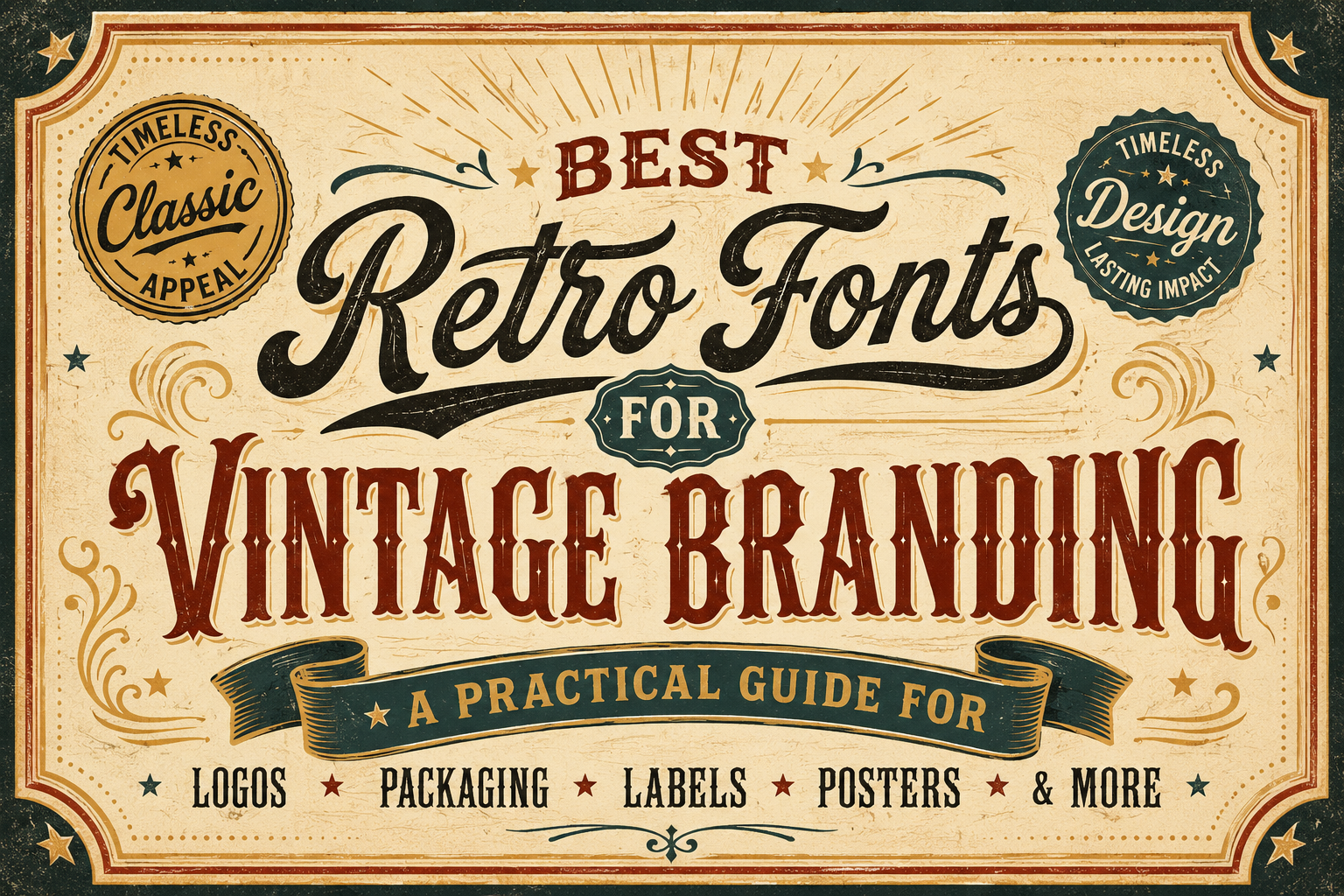
Retro design is not just about making something look old. In branding, the right retro font can instantly suggest heritage, nostalgia, craftsmanship, rebellion, luxury, playfulness, or handmade character. That makes retro and vintage typography especially useful for logos, packaging, labels, posters, apparel, badges, signage, and identity systems that need personality from the first glance.
The challenge is that retro fonts are often highly expressive. A font that looks memorable on a poster may become difficult to read on a small label. A blackletter font may feel bold and historic, but too heavy for a friendly café brand. A script font may add energy and movement, but it may not work well for long product descriptions.
This guide looks at some of the best retro fonts for vintage branding projects, with practical notes on personality, best use cases, readability, and licensing. Before using any font in a commercial brand identity, always check the font page and the author’s license terms carefully, especially when the license is listed as personal use only.
What Makes a Font Feel Retro or Vintage?
A font often feels retro because it carries visual cues from older design eras. These can include bold curves, hand-painted script shapes, condensed display letterforms, ornamental details, Victorian-style decoration, slab serif structure, blackletter influence, or distressed handmade energy.
For branding, these details can help create a stronger story. A script font can suggest classic signage or vintage advertising. A decorative serif can feel refined and nostalgic. A blackletter font can bring drama, heritage, or subculture energy. A bold hand-drawn font can make a logo feel fun, casual, and memorable.
The key is choosing a retro font that supports the brand personality, not just one that looks decorative. A premium packaging brand, a motorcycle apparel label, a nostalgic soda poster, and a handmade food logo may all use vintage-inspired typography, but they need very different moods.
Best Retro Fonts for Vintage Branding
1. Retrowave Retro Bold Script Font
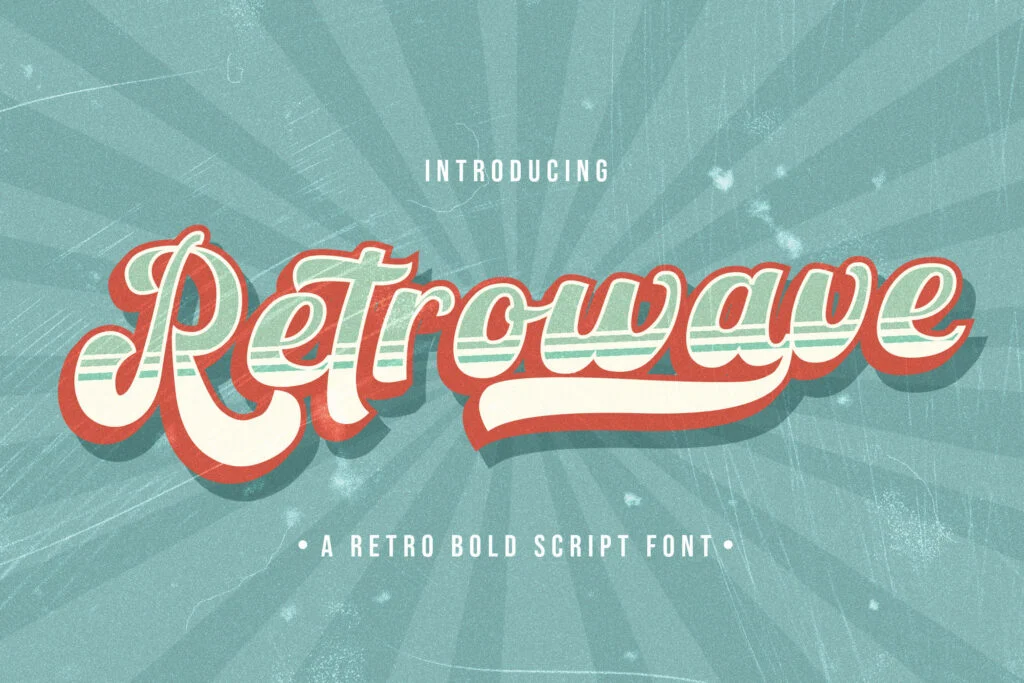
Retrowave Retro Bold Script Font is a script typeface with a nostalgic retro character. Its flowing, bold letterforms make it a strong choice for vintage branding that needs movement, personality, and a poster-like presence.
This font works especially well for retro posters, logo concepts, apparel graphics, social media campaign headlines, and nostalgic brand marks. It has the kind of energetic script style that can make a brand feel expressive without becoming too formal.
Because it is a decorative script, it is best used at larger sizes. It can work well for a short logo word, headline, badge title, or packaging feature line, but it is not ideal for long paragraphs or small supporting text. Pair it with a cleaner sans serif or simple serif for product details, descriptions, and secondary information.
License note: Retrowave Retro Bold Script Font is listed as free for personal use, so review the font page and author terms before any commercial branding project.
2. Sattomy
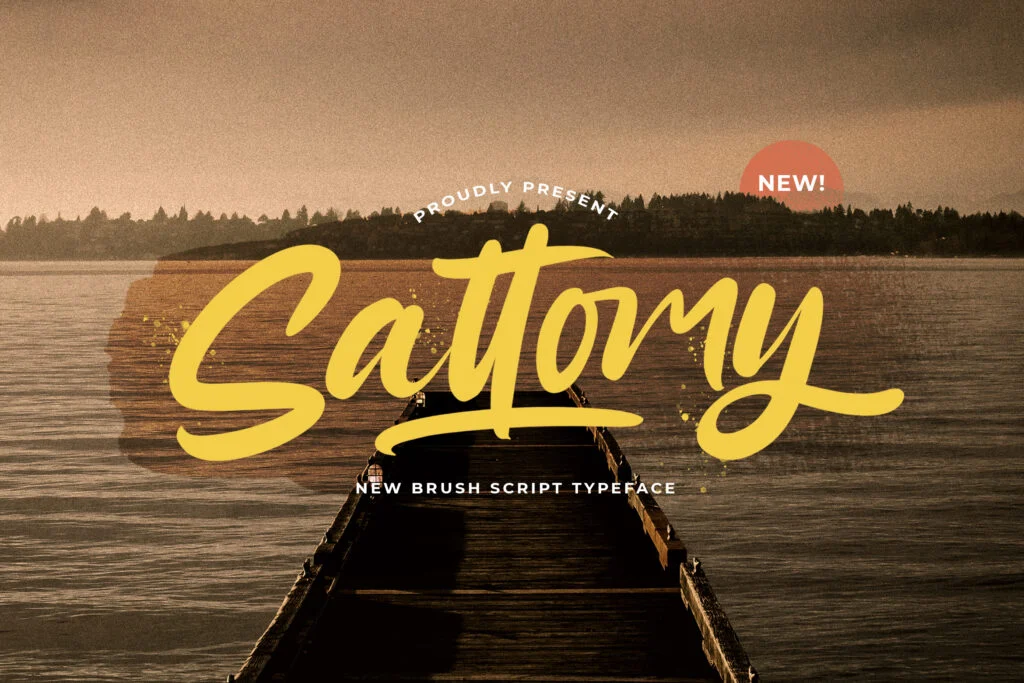
Sattomy is a brush-style font with a casual, energetic rhythm. It has a hand-lettered feel that can work well for brands that want a retro tone without looking too formal or traditional.
This font is suitable for poster titles, apparel graphics, stickers, music-related branding, casual product labels, and social media visuals. Its brush personality gives it a lively edge, making it useful for brands that want something expressive and youthful.
Sattomy is more readable than many heavily ornamental retro fonts, especially in short phrases. Still, it should be tested carefully with the actual brand name before use. Brush fonts can change dramatically depending on letter combinations, so preview the exact logo text, product name, numbers, and any key symbols before making a final choice.
Use Sattomy when you want retro energy with a more informal tone. Avoid it for brands that need a polished luxury feel or a very corporate identity.
License note: Sattomy is listed as free for personal use. Check the font page and license terms before using it in commercial branding.
3. Roman Shine
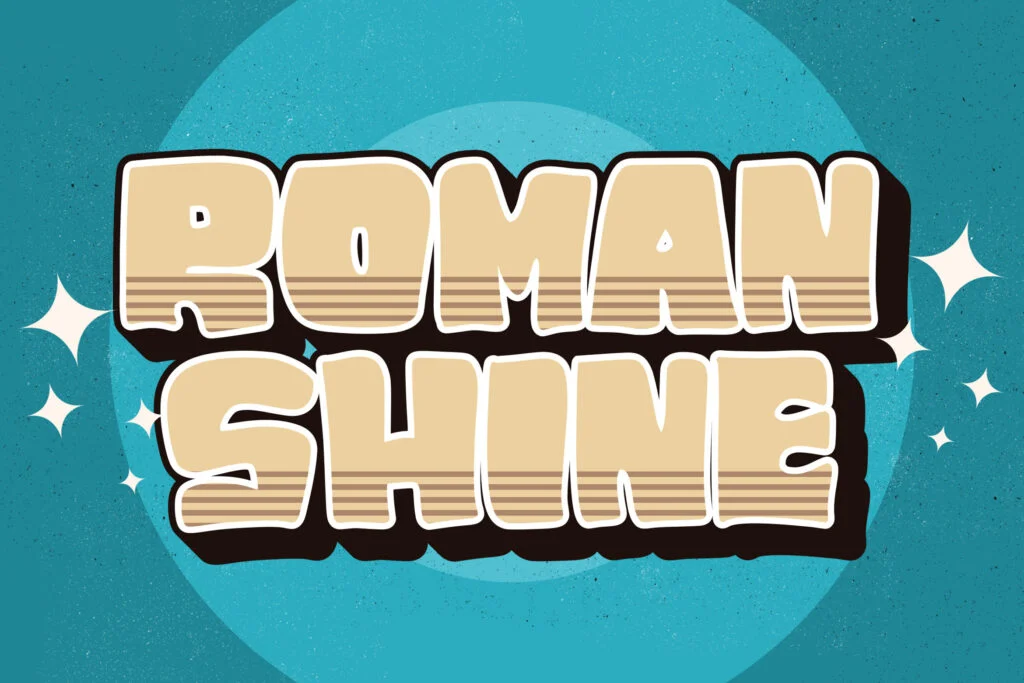
Roman Shine is a playful display font with a friendly retro personality. It feels bold, cute, and approachable, making it a good option for brands that want vintage influence without becoming too serious.
This font can work nicely for food packaging, children’s products, playful merchandise, casual posters, retro event branding, and fun logo concepts. Its chunky display style gives it enough weight for headlines and short titles, while its unusual shapes make it memorable.
Roman Shine is best for short display text rather than long reading. It can be effective for a logo, label title, or packaging headline, but it should be supported by a simpler font for ingredients, product descriptions, taglines, or website copy.
This is a good choice when the goal is friendly nostalgia. It is less suitable for luxury, gothic, or highly refined brand directions.
License note: Roman Shine is listed as free for personal use, so confirm the license before commercial use.
4. Agathiqy Blackletter Font
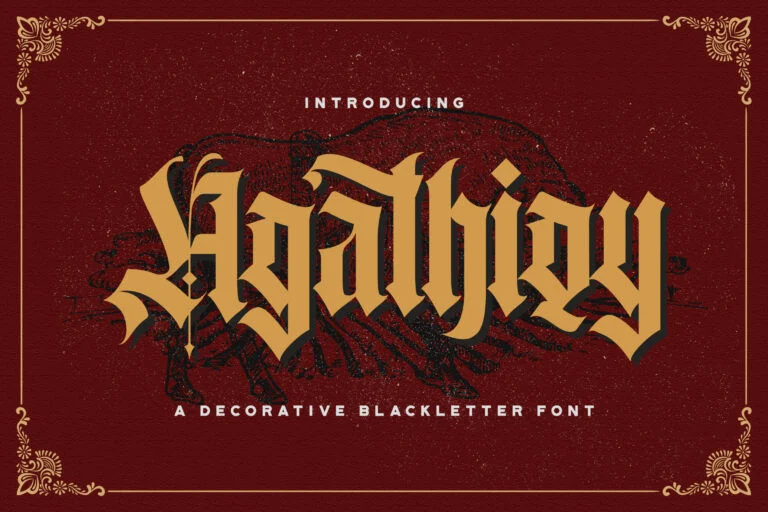
Agathiqy Blackletter Font is a decorative blackletter typeface with a dramatic, expressive personality. It brings a strong historic and ornamental feel, which can be powerful in the right branding context.
This font is best suited for logo design, music branding, tattoo-inspired graphics, dark apparel, specialty labels, posters, and brands that want a bold heritage or subculture mood. It can also work for limited-edition packaging where the goal is impact rather than softness.
However, blackletter fonts are not universal vintage fonts. Agathiqy is highly decorative, so it should be used sparingly. It may not be the right fit for brands that need to feel friendly, casual, modern, or easygoing. It can also become difficult to read in small sizes or long words.
Use it for short brand names, initials, monograms, or dramatic headlines. Avoid using it for body text, detailed labels, or any place where instant readability is the top priority.
License note: Agathiqy Blackletter Font is listed as free for personal use. Review the font page and author license before using it commercially.
5. Rudisfave Decorative Serif Font
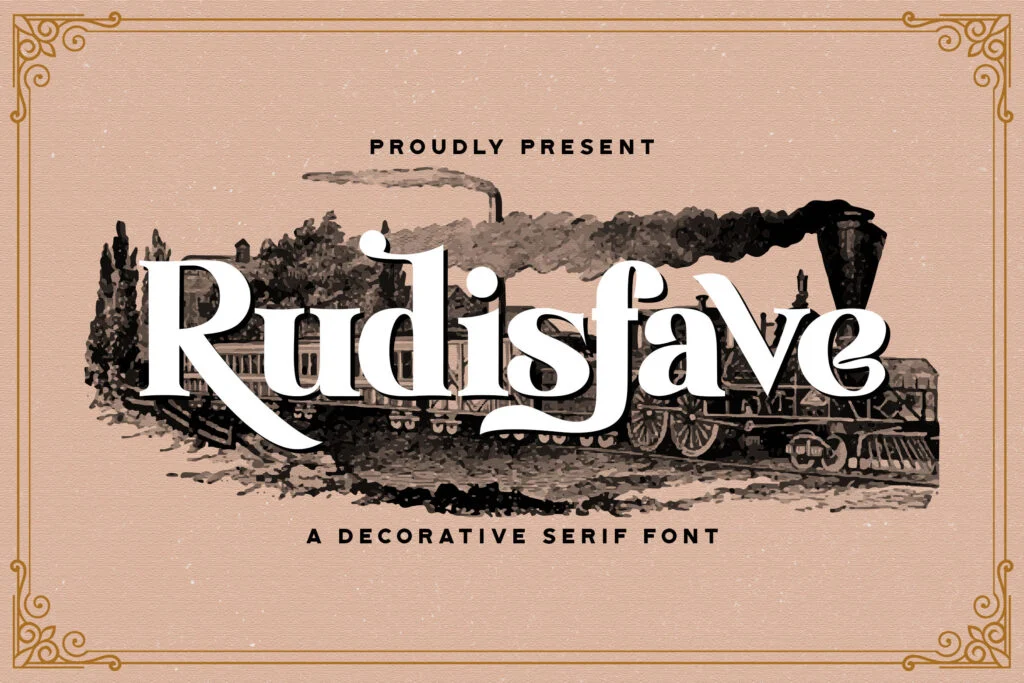
Rudisfave Decorative Serif Font is a vintage serif font with decorative display character. It has an expressive structure that can give branding a classic, crafted, and slightly ornamental feel.
This font is a strong option for logos, packaging titles, labels, editorial-style posters, boutique branding, and vintage-inspired product lines. Compared with heavier blackletter or Victorian styles, Rudisfave can feel more refined while still keeping a distinctive personality.
It is best used for large headlines and short brand text. Its decorative details may lose clarity when used too small, so test it on real packaging dimensions before committing. For example, it may look excellent as a product name on the front of a label, while a simpler supporting font handles ingredients, flavor notes, or legal copy.
Rudisfave is a good choice when you want vintage character with a serif foundation. It can feel more elegant than playful retro display fonts, but still more expressive than a standard serif.
License note: Rudisfave Decorative Serif Font is listed as free for personal use. Always confirm the license before commercial branding use.
6. Bonwick Weaver Victorian Display Font
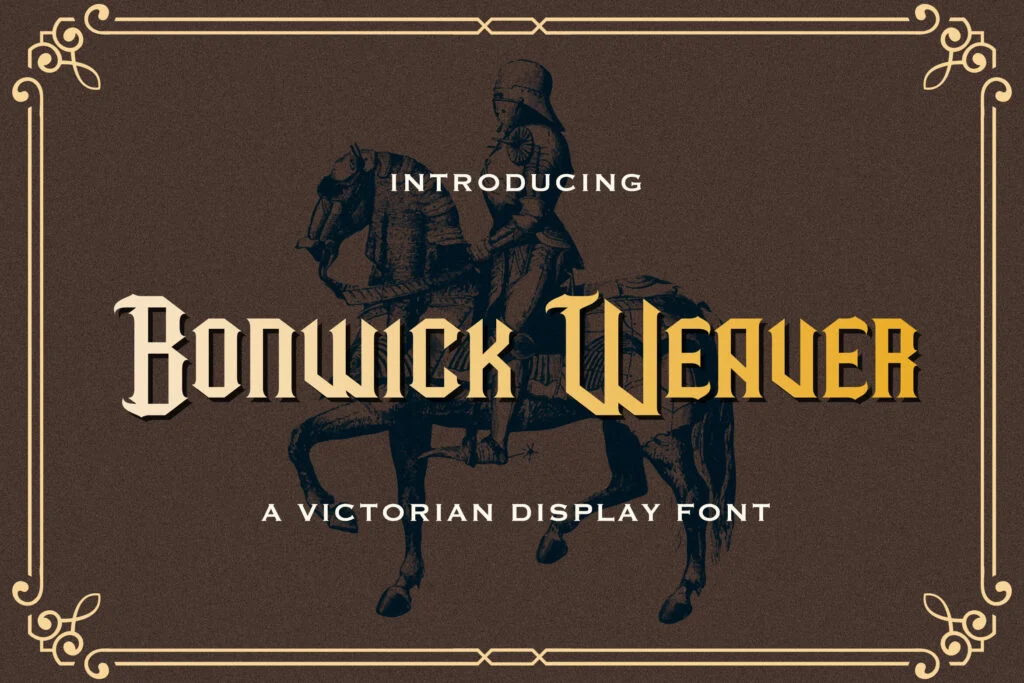
Bonwick Weaver Victorian Display Font has a strong Victorian-inspired display style. It feels ornamental, historic, and highly decorative, making it useful for branding that needs a theatrical vintage presence.
This font can work well for posters, badges, specialty packaging, signage, event branding, heritage-style labels, and display graphics. It has a niche personality, so it is especially useful when the brand concept intentionally leans into antique, old-world, or Victorian visual references.
Because the font is highly decorative, readability needs careful attention. It may work beautifully for a short wordmark or large headline, but it should not be used for paragraphs or dense product information. It is also not the right choice for every vintage brand. A casual lifestyle brand or friendly handmade product may need something warmer and simpler.
When using a font like this, keep the rest of the typography restrained. Pair it with a clean supporting font so the design does not become visually crowded.
License note: Bonwick Weaver Victorian Display Font is listed as free for personal use. Check the author’s terms before using it in commercial work.
7. Fortunate Original Hand Drawn Retro Font
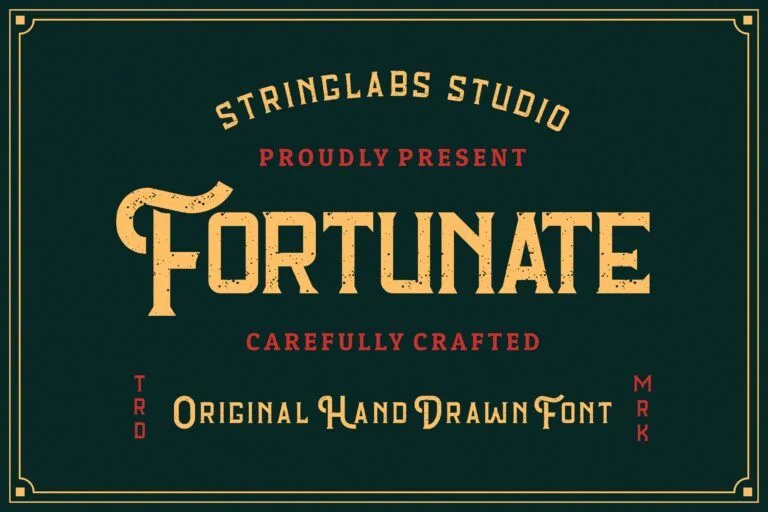
Fortunate Original Hand Drawn Retro Font is a slab serif typeface with a hand-drawn retro feel. It has a nostalgic structure but keeps a more crafted and approachable personality.
This font is useful for logo design, branding, badges, packaging, apparel, and retro-style promotional graphics. Its hand-drawn quality can make a brand feel more original and less polished in a corporate way, which is helpful for independent brands, creative studios, food products, and merchandise.
Fortunate can be a strong logo font, but it should be tested at small sizes. Some retro display fonts look excellent in large applications but become less clear on small stickers, mobile screens, or compact packaging. Before finalizing it, preview the brand name in uppercase and lowercase, and check how the numbers look if the identity includes dates, prices, sizes, or product series.
License note: Fortunate Original Hand Drawn Retro Font is listed as free for personal use. Review the license carefully before commercial projects.
8. Fredam Theory Retro Bold Script Font

Fredam Theory Retro Bold Script Font is a retro script font with a nostalgic, flowing style. It feels expressive and classic, making it suitable for designs that need a vintage headline with personality.
This font works well for retro posters, packaging accents, apparel graphics, logo concepts, and promotional designs. It can add a sense of movement to a brand identity, especially when used for short names, slogans, or campaign headlines.
Fredam Theory is best for short display use. It is more suitable for a brand wordmark or headline than for long copy. If you use it in a packaging system, consider pairing it with a clean sans serif or simple serif for smaller information.
This font is a good option when you want a familiar retro script mood without moving into heavy gothic or Victorian territory.
License note: Fredam Theory Retro Bold Script Font is listed as free for personal use. Confirm the font page and license terms before commercial use.
9. Montages Retro Bold Script Font
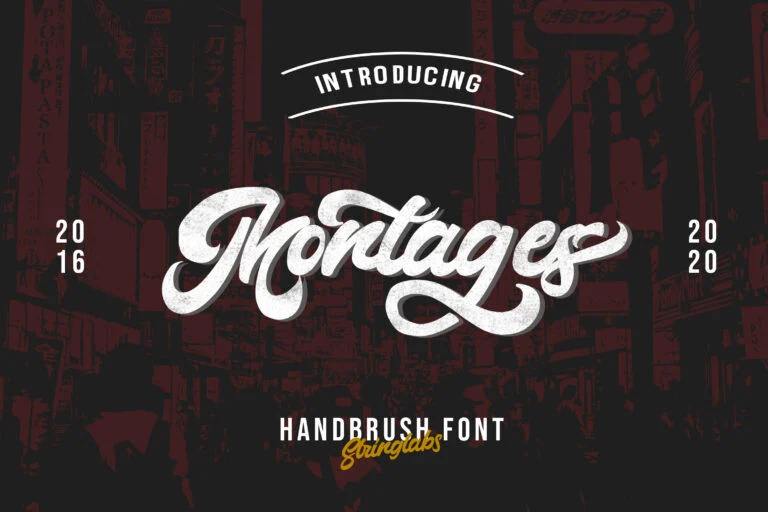
Montages Retro Bold Script Font is a brush-style retro font with an urban, energetic feel. It has a stronger streetwear and merchandise personality than a traditional elegant script.
This font is especially useful for T-shirt graphics, merchandise design, posters, stickers, music visuals, youth-oriented branding, and bold promotional headlines. It can give a brand a louder, more expressive voice.
Because Montages has a strong visual style, it should be used with restraint. It can make a short phrase feel memorable, but it may become difficult to read in long lines or small sizes. Designers should test the exact wording before using it for logos or apparel, especially when the design includes uppercase phrases or tight spacing.
Montages is best for brands that want energy and attitude. It may not be ideal for refined packaging, minimalist identity systems, or brands that need a calm premium tone.
License note: Montages Retro Bold Script Font is listed as free for personal use. Check the license before using it commercially.
10. Rademos Font
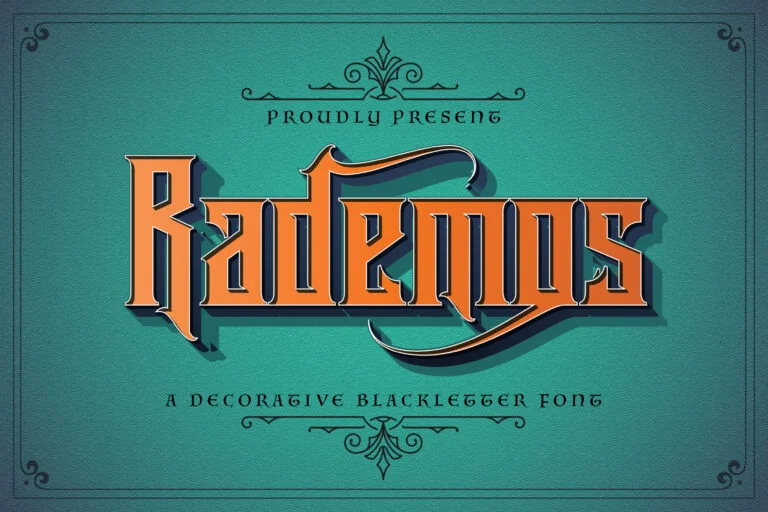
Rademos Font is a decorative blackletter-style font with a sharp, structured appearance. It feels bold, historic, and intense, making it useful for niche branding that needs a strong visual identity.
Rademos can work for logos, posters, apparel, dark-themed packaging, music graphics, labels, and badge-style designs. It has a strong display presence, so it is most effective when the brand personality calls for drama, heritage, or a harder edge.
This is not a font to use casually across every brand touchpoint. Blackletter styles can be difficult to read if the text is too long, too small, or too tightly spaced. They also carry strong cultural and historical associations, so the brand context matters. For a friendly café, wellness product, or playful lifestyle brand, a softer retro script or display font may be a better choice.
Use Rademos for short words, initials, or large display settings. Pair it with a plain supporting font to keep the identity usable.
License note: Rademos Font is listed as free for personal use. Review the font page and author terms before commercial branding use.
11. Russel Dexter Retro Vintage Font
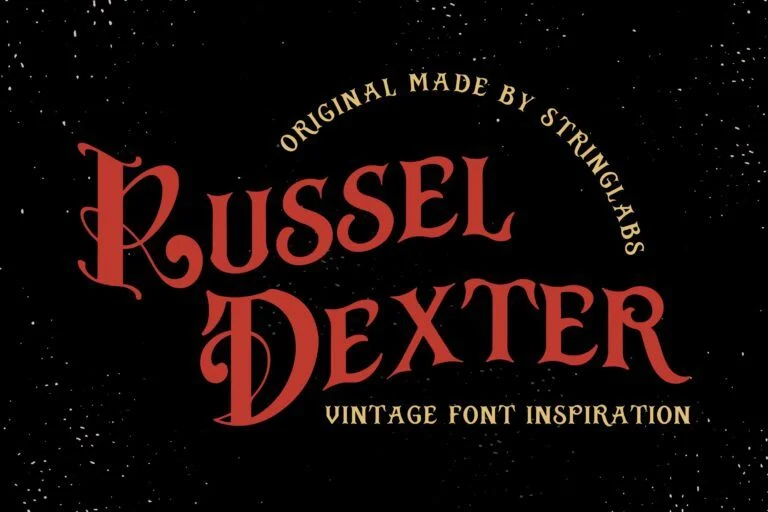
Russel Dexter Retro Vintage Font is a vintage serif font with an elegant and refined personality. It is one of the more premium-feeling options in this collection, making it useful for brands that want nostalgia with sophistication.
This font can work well for luxury branding, premium packaging, boutique labels, editorial-style posters, beverage packaging, fragrance concepts, and heritage-inspired identity systems. Its serif structure gives it a more polished tone, while its vintage character keeps it from feeling too plain.
Russel Dexter is suitable for short titles and display use. It can be effective for brand names, product names, and packaging headlines, but it should still be tested carefully at smaller sizes. For a complete identity system, pair it with a readable supporting typeface for paragraphs, product details, and digital interfaces.
Choose this font when the brand needs vintage elegance rather than loud retro energy.
License note: Russel Dexter Retro Vintage Font is listed as free for personal use. Always check the license before commercial use.
How to Choose the Right Retro Font for Branding
Start with the brand personality. A retro script may be perfect for a nostalgic poster brand, but a decorative serif may work better for premium packaging. A blackletter font can be memorable, but only when the brand can support that strong tone.
Next, test readability in real conditions. Preview the font with the actual brand name, tagline, product names, and any important numbers. Some fonts look strong with sample text but become harder to read with certain letter combinations. Check uppercase, lowercase, numbers, punctuation, and symbols before choosing a final font.
Avoid mixing too many decorative fonts in one identity. If the logo font is already bold and expressive, keep the supporting typography simple. A clean sans serif, neutral serif, or readable text font can help the retro display font stand out without overwhelming the design.
Also consider where the font will appear. A logo may need to work on packaging, website headers, social media icons, labels, signage, and merchandise. A font that looks impressive on a large poster may not work well on a small bottle label or mobile screen.
Font License Reminder for Commercial Branding
Many fonts in this list are provided as free for personal use. That does not automatically mean they can be used for commercial branding, logos, packaging, merchandise, or client work.
Before using any font commercially, review the font page and the author’s license terms. If you are designing for a client, selling products, creating brand packaging, or using the font in paid marketing materials, you may need a commercial license from the font designer or foundry.
For more guidance, read this guide on personal use vs commercial use font licenses. You can also learn how to test fonts more carefully in this article on how to preview fonts before downloading.
Related Font Categories to Explore
For more dramatic and historic styles, browse the Blackletter fonts category. These fonts can be useful for bold logos, apparel, posters, and niche branding, but they should be used carefully because readability and brand tone matter.
For broader headline and branding options, explore the Display fonts category. Display fonts are often designed for titles, logos, packaging, and posters, making them a practical place to look for distinctive brand typography.
FAQ
Are retro fonts good for logo design?
Yes, retro fonts can work very well for logo design when they match the brand personality and remain readable. They are especially useful for brands that want nostalgia, heritage, handmade character, or a bold visual identity. Always test the logo at different sizes before finalizing it.
Can I use decorative retro fonts for body text?
Usually, no. Decorative retro fonts are best for logos, headlines, labels, posters, and short phrases. For paragraphs, product descriptions, website copy, or small packaging details, use a simpler supporting font that is easier to read.
Are blackletter fonts suitable for vintage branding?
Blackletter fonts can be suitable for certain vintage branding projects, especially those with a dramatic, historic, gothic, music, tattoo, or apparel-related style. They are not ideal for every brand. Avoid using blackletter for brands that need a soft, friendly, casual, or highly accessible look.
What should I check before choosing a retro font?
Check readability, uppercase and lowercase letters, numbers, punctuation, symbols, spacing, and how the font looks with your actual brand name. You should also test it across different brand applications such as packaging, social media, signage, and mobile screens.
Can I use these fonts for commercial branding?
Only if the license allows it. The fonts in this article are listed as free for personal use, so you should check each font page and the author’s license terms before using them for commercial logos, packaging, products, advertising, or client projects.
Conclusion
The best retro fonts for vintage branding are not just decorative. They help shape how a brand feels. A bold script can add movement and nostalgia, a playful display font can make a brand feel friendly, a refined serif can support premium packaging, and a blackletter font can create a dramatic niche identity.
For professional branding work, choose the font that fits the brand’s personality, test it with real words, pair it with simpler supporting typography, and always review the license before commercial use. When used thoughtfully, retro and vintage fonts can give a brand identity the character, memory, and visual confidence it needs.