


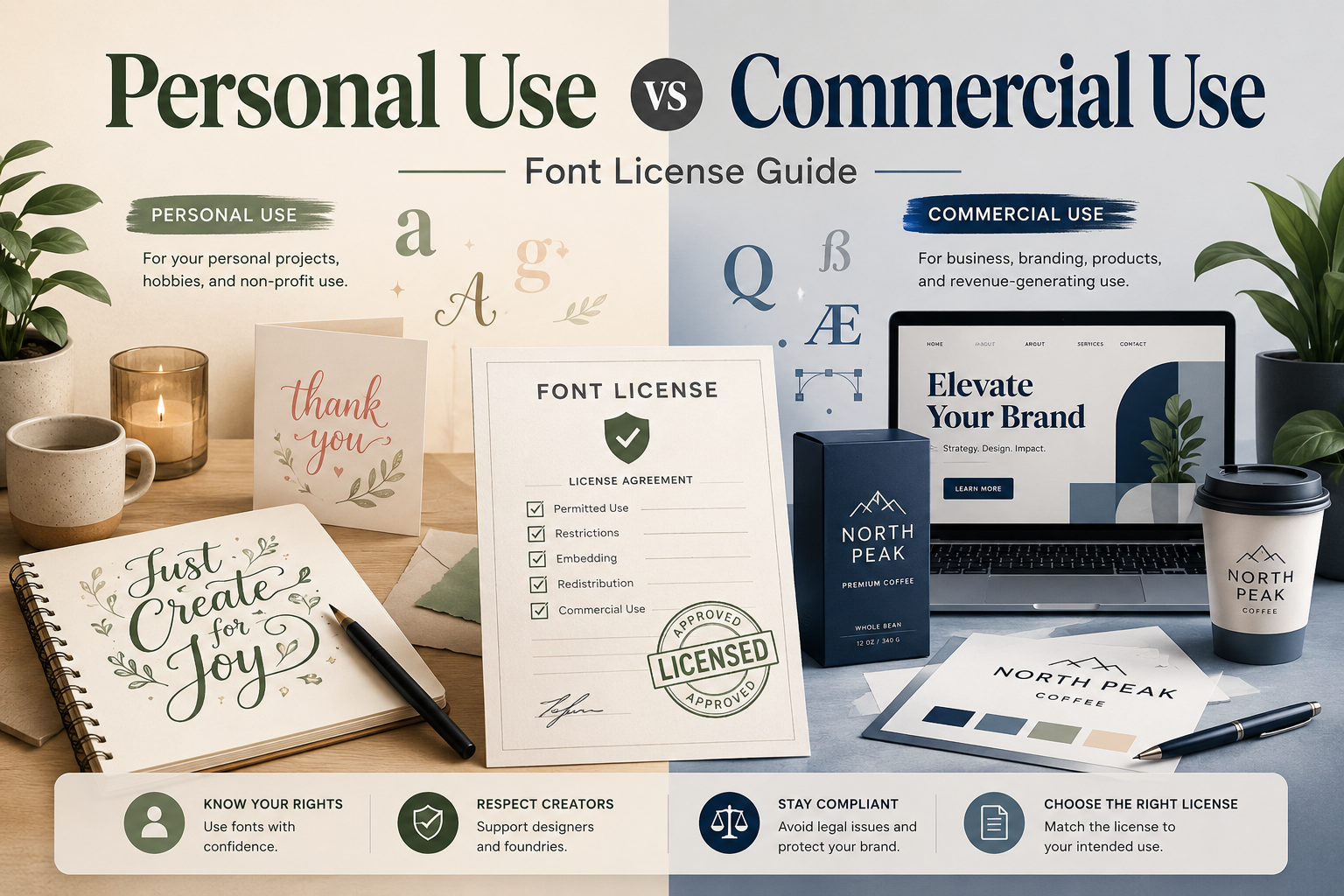
Font licensing is one of those things that’s easy to overlook — until it becomes a real problem. Whether you’re a beginner putting together your first blog header, a designer working on a client brand identity, or a small business owner creating marketing materials, understanding the difference between personal use and commercial use font licenses can save you from costly mistakes down the road.
This guide breaks it all down in plain terms so you can make informed decisions every time you reach for a new typeface.
What Does “Personal Use” Actually Mean?
When a font is labeled free for personal use, it means you can use it for projects that don’t generate income or promote a business. Think of it as permission to experiment, learn, or create things just for yourself.
Typical personal use scenarios include:
- School projects and presentations
- Personal blog graphics with no monetization
- Private invitations or greeting cards
- Practice pieces and portfolio experiments you haven’t sold
What it does not cover is anything with a commercial intent — even if you’re not directly charging for the font itself. Using a personal-use font on a product label, client deliverable, paid social media campaign, or website that sells goods crosses into commercial territory.
The distinction isn’t always about money directly changing hands. It’s about whether the work supports a commercial purpose. A social media post promoting your business, a PDF brochure for a paying client, or a logo for a startup all fall outside the scope of a personal-use license — even if the font was downloaded for free.
What Counts as Commercial Use?
Commercial use means the font is deployed in a context where it contributes to business activity, revenue, or professional services. This includes:
- Client projects (design, branding, marketing)
- Product packaging and labeling
- Advertisements (print, digital, or broadcast)
- Business websites, apps, or landing pages
- Merchandise sold online or in stores
- eBooks, courses, or templates sold to others
- YouTube thumbnails or channel art tied to a monetized channel
Some designers are surprised to learn that even a free personal-use font on a monetized YouTube channel can technically be a licensing violation. Font licenses are not just about money — they’re about how the typeface is being used and who benefits.
The Most Common License Types You’ll Encounter
Understanding the terminology makes it much easier to evaluate any font before downloading it.
Free for Personal Use Only
The most restrictive common license. You can use the font privately but must obtain a commercial license from the designer before using it in any professional or revenue-generating context. Always check the designer’s page for upgrade options.
Free for Commercial Use
These fonts can be used in both personal and commercial projects at no cost. They often come with conditions — some require attribution, others don’t. Reading the included license file is still important even when commercial use is permitted.
SIL Open Font License (OFL) and Public Domain
Fonts released under the OFL can generally be used, modified, and distributed freely — including commercially — as long as modified versions are released under the same license. Public domain fonts carry even fewer restrictions. Both are considered highly flexible and designer-friendly for professional work.
Apache 2.0
The Apache License 2.0 is an open-source license that allows free use, modification, and distribution, including for commercial projects. It does require that you preserve any copyright notices and the license itself when redistributing. For typical design use — placing a font in a logo, website, or print piece — it’s straightforward and permissive.
Four Fonts That Illustrate These Differences
Looking at specific examples makes the licensing landscape much easier to navigate. Here are four fonts with notably different characters and license types.
Sanju Vony — Free for Personal Use
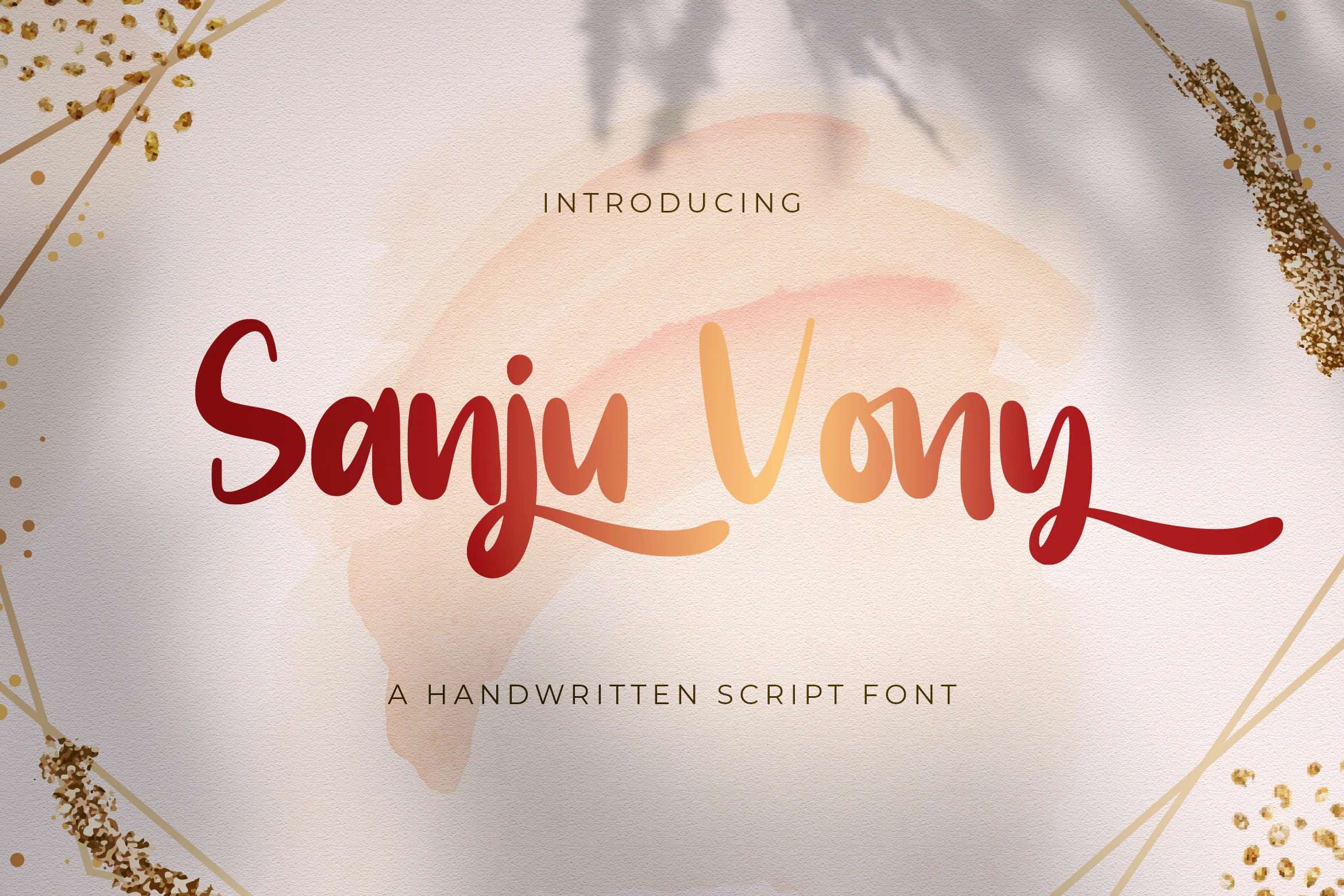
Designed by Stringlabs, Sanju Vony is a flowing brush-script handwritten font with expressive ink variation and natural letterform irregularities. The strokes are fluid and energetic, giving it warmth and a handcrafted authenticity that’s well-suited to wedding invitations, elegant event graphics, and personal stationery.
Because it’s licensed for personal use only, it’s a strong choice for private occasions — but designers taking on paid wedding stationery work should contact the designer for commercial licensing terms before delivering it to a client.
Candy Putri — Free for Personal Use
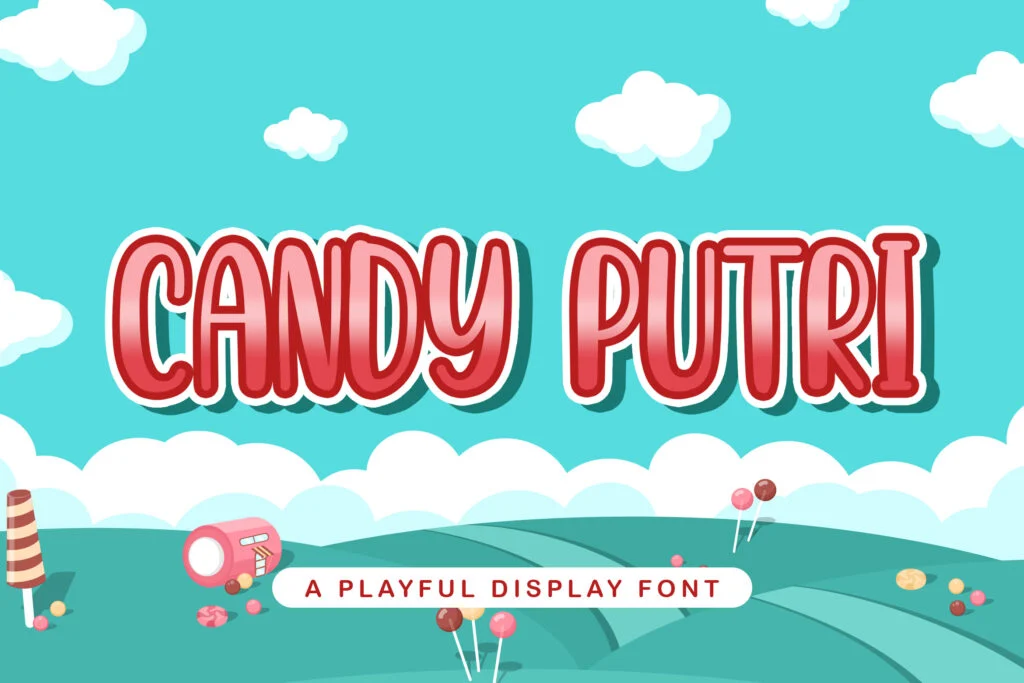
Also from Stringlabs, Candy Putri is a chunky, hand-drawn display font with a bold, informal personality. Its thick strokes and slightly uneven construction give it a playful, energetic feel — a natural fit for children’s content, party invitations, personal social media graphics, or any project that needs a lighthearted touch.
Like Sanju Vony, it carries a personal use license. It’s a fun font to work with on personal projects, but verify licensing with the designer before using it commercially.
Trade Winds — Public Domain / OFL
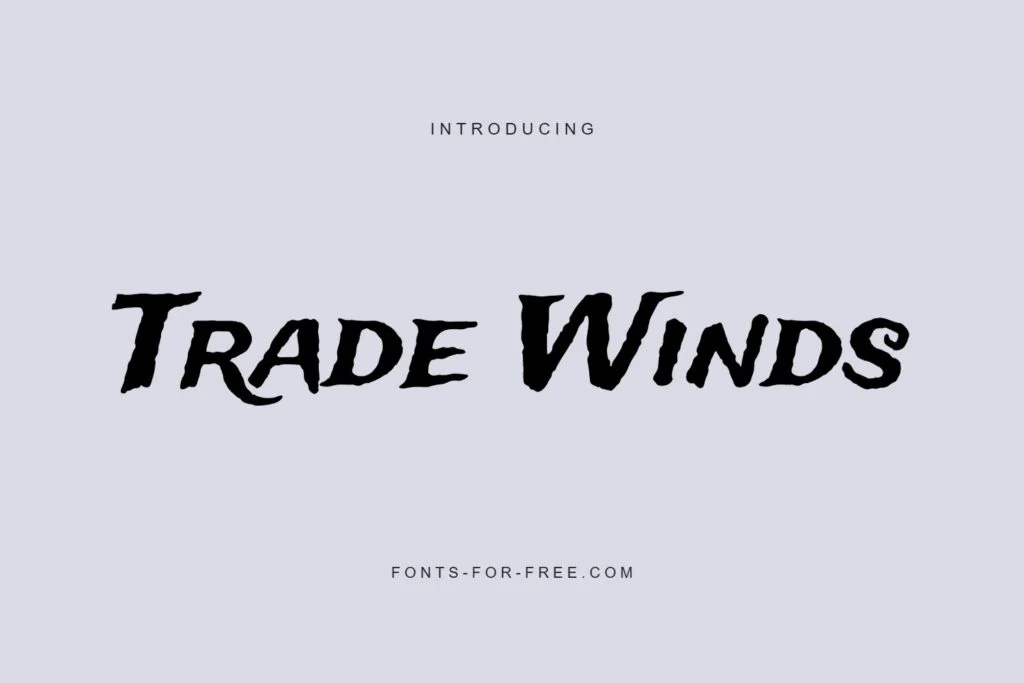
Trade Winds by Sideshow is a bold, all-caps display font with a strong italic lean and an adventurous, almost nautical character. The letterforms are heavy and dramatic, with a handcrafted roughness that suits adventurous branding, game titles, posters, or any design looking for rugged personality.
Its public domain / OFL license makes it one of the more flexible options here. You can use it commercially, modify it, and build projects around it without worrying about licensing fees — making it a practical pick for both personal experiments and professional work.
Special Elite — Free for Commercial Use (Apache 2.0)
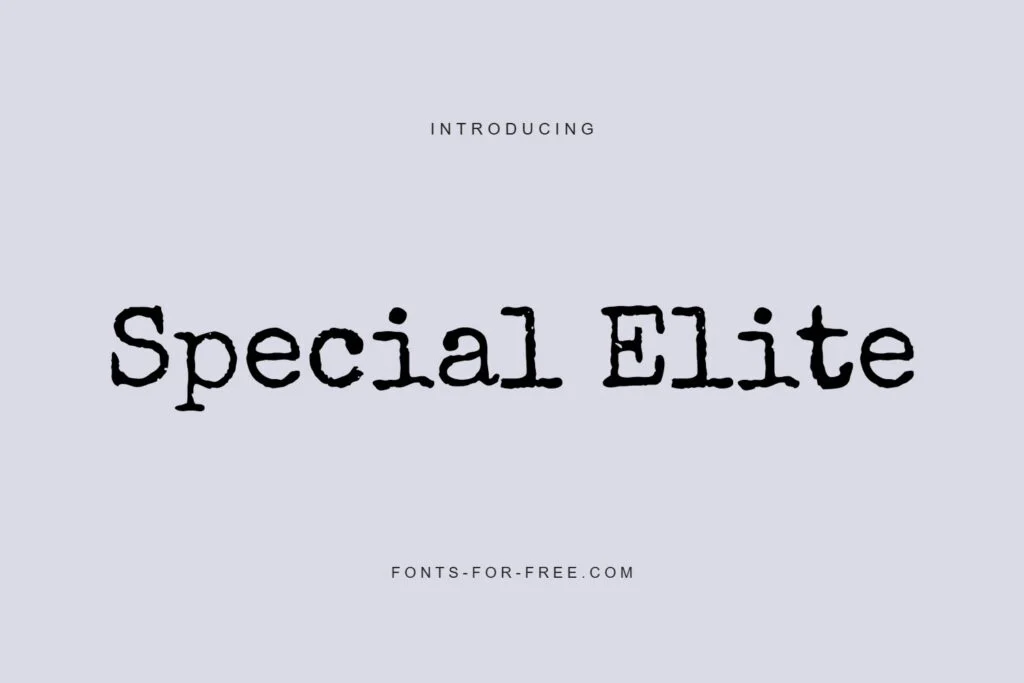
Special Elite by Astigmatic replicates the worn, imperfect texture of an old typewriter. Each letter has slight variations in ink coverage and alignment, giving it a vintage editorial feel. It works beautifully for vintage-themed branding, editorial design, retro poster projects, mystery or thriller book covers, and any design that wants to evoke the past.
It’s released under the Apache 2.0 license, which means it’s genuinely free for commercial use. Designers who need a reliable vintage typewriter aesthetic for client work can use it confidently — just keep the license file on hand as part of your project documentation.
Common Mistakes to Avoid
Assuming “free” means “free for everything.” Many free fonts are free only for personal use. Always check the license listed on the font page — not just the download button.
Skipping the license file. Most font downloads include a .txt or .pdf license file. It takes less than a minute to read and can save you a lot of trouble later.
Forgetting to check when transitioning from personal to professional. A font you’ve been using on your personal blog might need to be relicensed the moment that blog becomes a commercial platform or gets monetized.
Assuming attribution solves everything. Crediting the designer is good practice, but it doesn’t replace proper licensing. Personal-use fonts require a commercial license regardless of whether you credit the author.
What to Check Before Using Any Font
Before downloading and deploying a font in your project, run through this quick checklist:
- Check the license label on the font page — personal use, commercial use, OFL, or other.
- Read the included license file that comes with the download.
- Review the designer’s page for additional conditions, attribution requirements, or commercial upgrade options.
- Save the license file alongside your project files so you have documentation for client deliverables or future reference.
- If in doubt, contact the designer. Most independent type designers are approachable and can clarify licensing terms or offer commercial licenses at reasonable prices.
FAQ
Can I use a personal-use font in a logo I designed for a client?
No. Delivering a logo to a paying client is a commercial use, even if you didn’t charge specifically for the font. You’d need a commercial license from the designer before using a personal-use font in client work.
What if I’m not making any money — is it still commercial use?
It can be. If the project supports a business purpose — promoting a brand, driving traffic to a store, representing a professional service — it generally falls under commercial use regardless of whether you personally profited from that specific piece.
Is a font with an OFL license safe for client projects?
In most cases, yes. The SIL Open Font License is designed to allow broad use including commercial applications. Read the specific terms of the license included with the font to confirm, but OFL fonts are widely considered safe for professional design work.
What does Apache 2.0 require if I use the font commercially?
For standard design use — setting type in a document, website, or print piece — Apache 2.0 is simple to comply with. You don’t need to pay anything, but you should preserve the copyright notice and license file. If you’re redistributing or embedding the font in software, review the full license terms carefully.
How do I find a commercial license for a personal-use font I love?
Visit the designer’s page (often linked from the font page) or contact them directly. Many independent designers offer commercial licenses for a modest fee, and it’s usually worth it if the font fits your project perfectly.
Conclusion
Font licensing doesn’t have to be complicated, but it does require a moment of attention before you commit to a typeface. The difference between a personal-use license and a commercial one has real implications for professional projects — and it’s the kind of detail that reflects well on designers and business owners who take it seriously.
Take a few seconds to read the license before you finalize any font choice. Save that license file. And when you’re working with something that’s genuinely free for commercial use — like Trade Winds under its open license, or Special Elite under Apache 2.0 — you can move forward with confidence knowing your project is properly covered.